Best Winter Boots of 2026

A winter boot is asked to do two jobs that don't naturally get along: seal out slush and snow, and hold heat in without turning your foot into a brick. I've owned pairs that aced one and flunked the other — the ones that kept my feet bone dry while leaving me clomping around like I was wearing cinder blocks, and the toasty ones that soaked through at the first slushy corner. What you're really after is a boot that keeps water out, keeps warmth in, and still feels fine after a full day of errands, school runs, and shoveling the walk. Fit does more of that work than people expect; buy for the socks you'll actually wear, not the thinnest pair in your drawer.

Over the past six months, my team and I have worn 12 pairs of winter boots through fresh snow, ankle-deep slush, and a few unseasonably mild afternoons, weighing warmth, comfort, fit, appearance, and whether the price felt fair. Durability is the one question a single season can't fully answer, so we inspected seams, tread, and linings after every wear. The picks below are the ones we kept reaching for.

1

Best Overall

Columbia Ice Maiden II

91 /100
Angler Score Outstanding

Key details

Model
Ice Maiden II
Style
Snow boot
Department
Women's
Check Details on Amazon

Warmth is the easy part of a winter boot. Warmth you can wear for two hours without your socks going clammy is the harder trick, and the Ice Maiden II is the pair here that gets the balance right. We wore them through slushy sidewalks and long, cold waits outdoors and never got that baked, overheated feeling that has you kicking a boot off the moment you are inside. For a boot this warm, that surprised us.

The wet-weather side is just as composed. Snow and slush stay out, a soaked sidewalk does not reach the sock, and the boot does not get heavier as the day goes on. Comfort holds too: this is one we kept on through an afternoon of errands and the walk home after, without the ache a stiff snow boot leaves in your arches.

Sizing is the one wrinkle. The fit runs generous for some and exact for others, so if you are between sizes, try the smaller one first with the socks you will actually wear. One small thing we noticed is the top of the shaft, which has no pull loop, so getting them on takes a second longer than it should; loosen the laces first and it is fine.

What you are paying for is a boot that behaves the same in February as it did in November, and that is worth something on a dark morning. It is the pair we pull on when the forecast is genuinely ugly, and the one that goes back by the door afterwards rather than into the back of the closet.

Pros

  • Warm without overheating indoors or on the move
  • Stays dry through snow, slush and wet pavement
  • Comfortable for long days on foot

Cons

  • Tread is not secure on hard, glazed ice
  • Bulkier than a town boot
Our verdict

We think the Ice Maiden II is the safest buy here for a wet, cold winter: warm without turning clammy, dry in slush, and comfortable enough to keep on all day.

Check Latest Price
2

Best for Men

NORTIV 8 Men's Snow Boot

91 /100
Angler Score Outstanding

Key details

Style
Hiking snow boot
Department
Men's
Waterproofing
Waterproof
Check Details on Amazon

Plenty of men's winter boots are built for standing around in. The NORTIV 8 is built for walking: it borrows the shape and the sole of a hiking boot and lines it for cold, which makes it the pair here for a man who shovels the drive, walks the dog and cuts through the woods on the way home. The lining is warm from the first step and the insole is padded enough that there is no break-in to survive.

Warmth is where it surprised us. Feet stayed warm on long, slow walks in freezing weather without the boots feeling heavy or clumsy, and we could feel the cushioning underfoot after hours of errands and yard work rather than the flat ache a cheaper boot leaves you with. For what it asks, that is a lot of boot.

Water is the limit. Snow and packed slush are handled fine; a long walk through standing water is not, and we could feel the damp coming through by the end of one. Treat the upper before the season, keep them for cold and snow rather than puddles, and they will do everything you ask of a winter boot. Line them with a wool sock and they will take you from the driveway to the trailhead without a second pair in the car.

Pros

  • Warm lining without the bulk of a snow boot
  • Cushioned enough for a full day on your feet
  • Handles shoveling, dog walks and trail time

Cons

  • Roomy toe box feels wide on narrow feet
Our verdict

For men who want one boot for the driveway, the dog and a winter walk in the woods, the NORTIV 8 is the pair we recommend first.

Check Latest Price
3

Best for Kids

Western Chief Kids Freestyle

95 /100
Angler Score Outstanding

Key details

Upper
Neoprene
Sizing
Unisex child
Waterproofing
Waterproof
Check Details on Amazon

Two pairs of kids' boots a season is the usual drill: rubber for rain, something insulated for snow. The Freestyle folds both jobs into one neoprene boot, which is the sort of small mercy a parent notices every single morning. Puddles, mud and a couple of inches of snow all land in the same pair, and nobody has to remember which boots go to school on which day.

Warmth is genuinely good for something this simple. Feet came back from recess warm and dry in real cold, and the neoprene keeps the wet out on the way there. It is soft enough that a child can pull the shaft open and stamp a foot in without help: no laces, no buckles, no negotiating at the door.

Where it earns its place is the ordinary Tuesday, when it is cold, wet and nobody wants a fight at the door. True to size, roomy in the toe, stable enough that a child can run rather than do the stiff snow-boot walk, and light enough to wear all day. Buy the size your child measures rather than sizing up for next winter; a boot that is too long is a boot they trip in.

Pros

  • Kids can pull them on unassisted
  • One pair covers rain, mud and snow
  • Warm enough for real recess cold

Cons

  • Neoprene can crack at the flex point after a hard season
Our verdict

One neoprene boot that covers rain, mud and snow, and a child who can put it on alone: that is the deal, and it is a good one.

Check Latest Price
4

Best Value

COOJOY Women's Snow Boot

94 /100
Angler Score Outstanding

Key details

Height
Mid-calf
Lining
Faux fur
Waterproofing
Waterproof
Check Details on Amazon

Ice is where most pretty winter boots quietly give up. These do not. On a sloped driveway that had refrozen overnight and a sidewalk with a shine on it, the tread bit and kept biting, and we did not do the arms-out shuffle once. For a boot that reads as a fashion pick, that is the detail that changed our mind about it.

The warmth is the other reason it is here. The pile lining runs the whole way through the boot rather than stopping at the cuff, and feet stayed warm and dry on a long, cold walk without thick socks doing all the work. It is soft the way a slipper is soft, which is exactly right on a cold morning, and light enough that an hour of walking does not turn into a chore.

Sizing needs a minute of thought: the fit runs close, and we went up half a size to leave room for wool socks. Do that before the first cold snap rather than after it. Then they are the pair for the walk to the train, the grocery run and the slushy mile in between.

Pros

  • Tread holds on icy sidewalks and driveways
  • Lining runs through the whole boot
  • Light enough for a long walk

Cons

  • Standing water and wet grass can soak through
Our verdict

Grip is what sells these: warm, lined through, and steady on ice, at a price that leaves room for wool socks.

Check Latest Price
5

Best for Toddlers

HOBIBEAR Toddler Snow Boot

93 /100
Angler Score Outstanding

Key details

Sizing
Toddler to big kids
Outsole
Slip resistant
Waterproofing
Waterproof
Check Details on Amazon

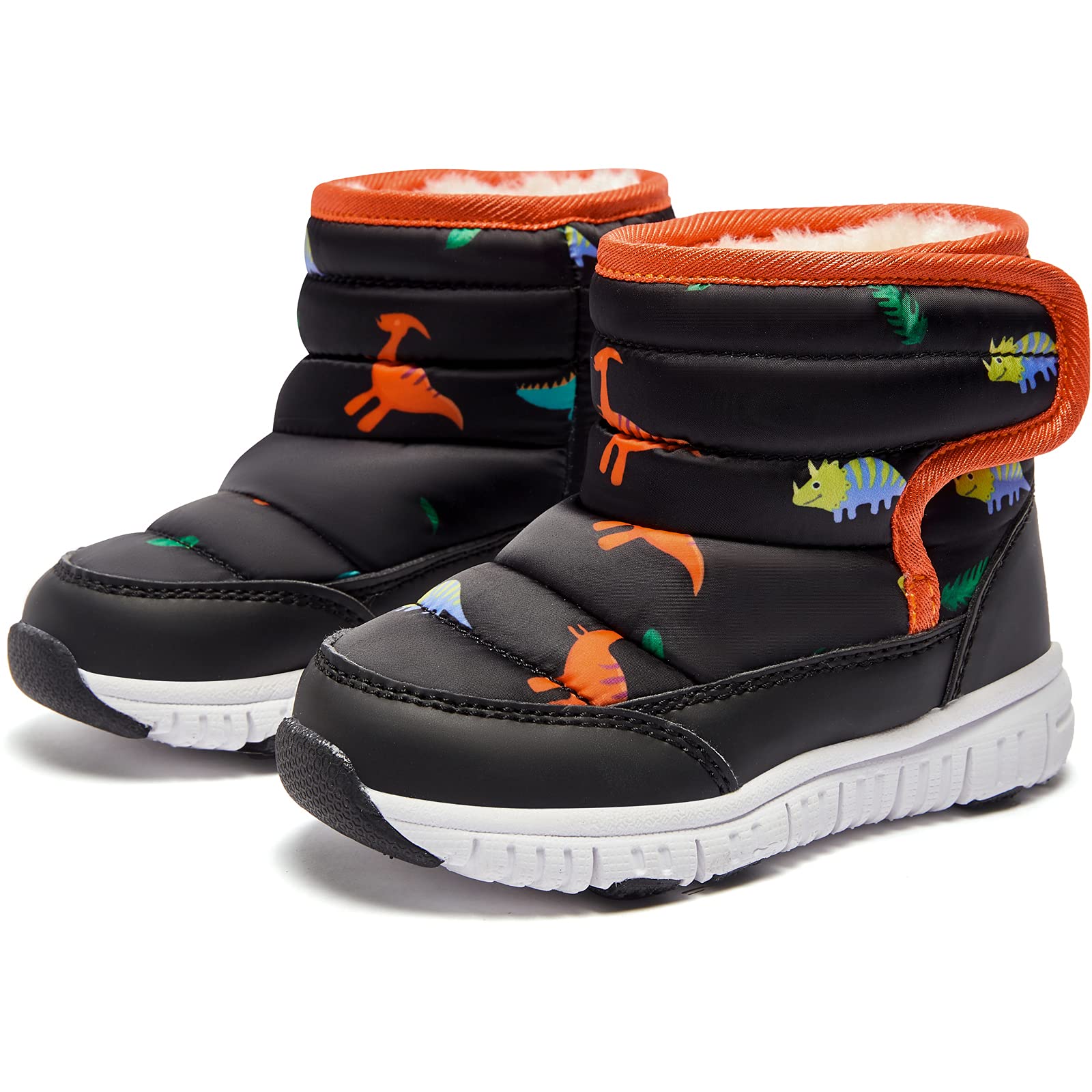
Getting a toddler into boots is a wrestling match with a time limit. The HOBIBEAR pair shortens it: the opening is wide, the shaft is soft, and a small foot can be stamped in without an adult hauling on the heel. It takes a couple of goes before a two-year-old gets the hang of it, and then they are doing it themselves.

Warmth is better than the price suggests. The lining is thick and the boots are light enough that a new walker does not develop the stiff, clomping gait that heavier snow boots cause. Feet come back warm after a session in the yard, which is the whole point at this age.

One thing to plan for: the fit runs small, and the size chart is optimistic. Measure the foot, add room for a thick sock, and go up rather than trusting the size on the box. Getting that right matters more here than on an adult boot, because a toddler cannot tell you where it pinches.

What tips it is the combination: a boot a small child can operate, that keeps feet warm, and that does not turn every walk into a shuffle. They are at their best on the short trips that make up most of a toddler's winter, from the front door to the sledding hill.

Pros

  • Toddlers can put them on alone
  • Thick lining for short outdoor play
  • Light enough for new walkers

Cons

  • Short shaft lets deep snow in over the top
  • Can soak through in wet slush
Our verdict

Toddlers can get into these on their own, and they are warm and light enough to run in, as long as the snow stays below the ankle.

Check Latest Price
6

Best Budget for Men

Mishansha Men's Snow Boot

89 /100
Angler Score Excellent

Key details

Style
Winter hiking boot
Department
Men's
Water Resistance
Water-resistant
Check Details on Amazon

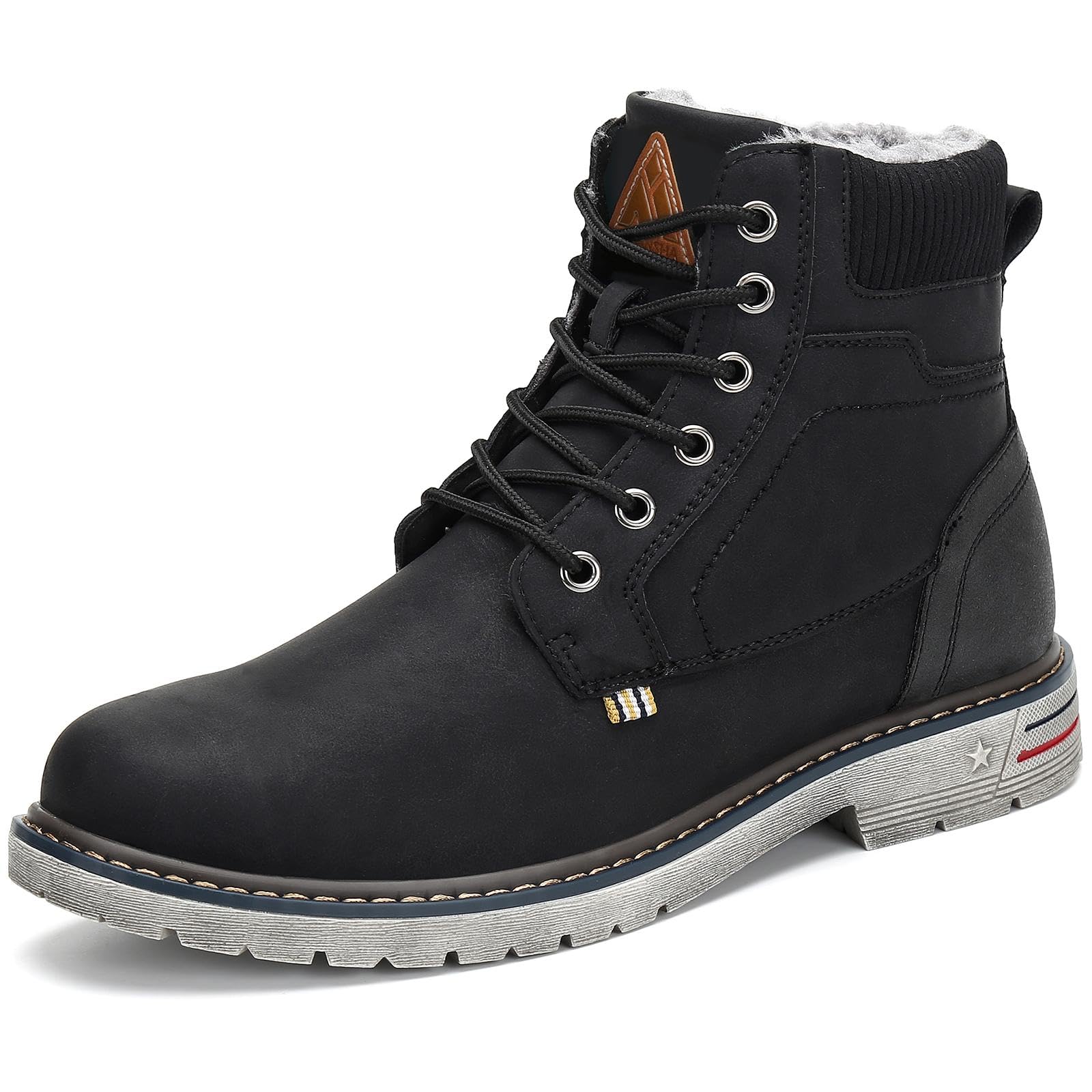
The Mishansha is the best-looking boot in this group for what it asks you to spend. The shape reads like a much pricier work boot, the stitching is tidy, and a brush at the door brings them back up. If you want something that does not look like a snow boot, this is the one that gets away with it.

Warmth and comfort are good for the first few hours. The lining is soft and warm from the first wear, with no break-in at all, and a walk to the store or an hour with a shovel is comfortable. Standing in one spot for a long shift is a different story: the sole is soft, and after a while you can feel the ground through it.

The sole is also where these boots make their bet. Soft soles are comfortable until they wear, and this is the part that goes first, with the outsole and insole giving out long before the upper looks tired. At this money that is a fair trade for a boot you knock around in for a season or two; it is a poor one if you are on your feet for work every day. Sizing is the other caveat, since the chart runs small and skips half sizes, so order up and check the fit against your measured foot rather than the label.

Pros

  • Looks pricier than it is
  • Warm lining with no break-in
  • Light on the foot for a winter boot

Cons

  • Soft sole is the first thing to wear through
Our verdict

If you want a warm, sharp-looking boot for a season of errands and shoveling without spending much, this is the one, provided you do not expect the sole to outlast the upper.

Check Latest Price
7

Light Everyday Wear

DREAM PAIRS Women's Snow Boot

93 /100
Angler Score Outstanding

Key details

Model
LSB-SDSB2208W
Style
Snow boot
Department
Women's
Check Details on Amazon

Winter boots are usually equipment. These feel closer to a soft shoe built for cold weather: the lining is fluffy rather than dense, the collar does not bite, and there is no break-in at all. We kept them on indoors after a walk more than once, which is not something we do with snow boots.

For the money they are the pleasant surprise of this group. The softness runs through the whole boot, they wipe clean after a salted sidewalk, and they look considerably smarter than the price suggests. On a cold, dry day with packed snow underfoot they do most of what a heavier boot does, and they are easier to walk in while doing it.

Sizing is worth a minute. The fit runs close, and we went up half a size to leave room for wool socks. Beyond that, these are the pair that lives by the door rather than the pair you keep for the worst week of January, and for most winters the door pair is the one that actually gets worn.

Pros

  • Soft, warm lining with no break-in
  • Easy to walk in all day
  • Looks smarter than the price suggests

Cons

No notable drawbacks to flag.

Our verdict

Soft, warm and easy to walk in, these are the winter boots we pull on for ordinary cold days rather than the worst ones.

Check Latest Price
8

Dry Cold Days

BEARPAW Emma Short

93 /100
Angler Score Outstanding

Key details

Build
Lightweight
Height
Short
Department
Women's
Check Details on Amazon

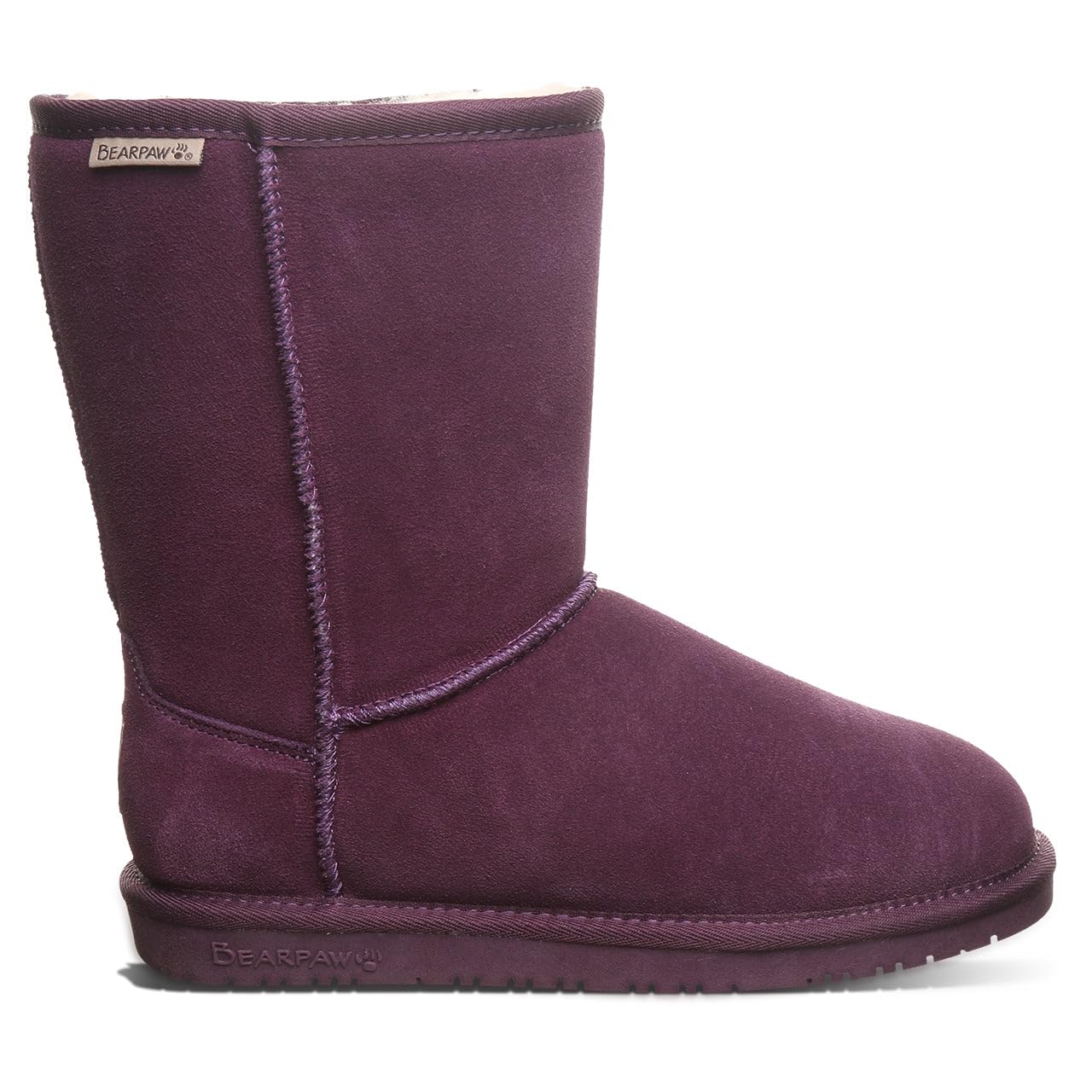
The Emma Short is not a snow boot, and it is worth saying so plainly. The suede upper does not shrug off slush the way the neoprene and treated pairs here do, and road salt leaves its mark. Worn to the office, the cafe or the school pickup on a dry December morning it is lovely; worn through the drift at the end of the driveway it is not.

What it does, it does beautifully. The inside is thick and soft, slipper-soft and we mean that literally, so bare feet on a cold morning are genuinely comfortable. Warmth is excellent for a short boot, and the shape looks as good with leggings as it does with jeans.

Sizing takes a decision. The fit runs small, and the gap is real enough that going up a full size is the safer call, especially if you are near the top of your range or plan on thick socks. Try them with the sock you will actually wear before deciding they are wrong.

For the right job they are the most comfortable boot in this group by a distance, and the warmth-to-price balance is kind. Keep a pair for dry cold and short walks and you will get compliments on them all winter; hand them a wet February and you will be disappointed.

Pros

  • Slipper-soft lining, warm without socks
  • Looks good with leggings and jeans
  • Comfortable from the first wear

Cons

  • Sole can separate from the upper with daily wear
Our verdict

The comfiest boot here is also the one to keep for dry cold: size up, and do not ask it to handle slush.

Check Latest Price

How We Tested Winter Boots in Real Snow and Slush

We started with a shortlist of roughly 40 pairs — brands we'd worn before plus ones that kept surfacing in reviews — then narrowed by price, available size range, and whether the boot was built for snow rather than just styled to look like it. Twelve pairs made the cut, and we wore them from the first frost in late fall through the muddy thaw in early spring, across school drop-off lines, dog walks in powder, slushy parking lots, and a few long days on our feet.

Snow resistance and warmth got the roughest treatment: we stood in piled snow for 20 minutes at a stretch, walked through ankle-deep slush, and checked afterward whether our socks were damp or our toes had gone numb. We also ran the uppers under a faucet and watched whether water beaded off or crept in at the seams and tongue.

For comfort and fit, we wore each pair for a full errand day and noted where they rubbed, whether the sole flexed on stairs, and how they felt after two hours in the car. We tried each with thin and thick socks, checked room in the toe box, and logged which ran narrow, short, or true to size. Appearance and value came last: we wore them with jeans, leggings, and snow pants, then compared stitching, tread depth, and lining against pairs costing half as much. After every wear we checked soles and seams for wear.

How to Choose Winter Boots

Waterproof, water-resistant, or neither

Waterproof usually means a membrane or a sealed build; water-resistant means a treated upper that sheds rain until it wets out. Both are legitimate, for different winters. If your boots will meet slush, salt and puddles five days a week, pay for the waterproof claim and check the seam where the boot flexes across the top of the foot, because that is where leaks begin.

If you mostly walk on cold, dry snow, a water-repellent finish and a warm lining get you there. The BEARPAW Emma Short is the clearest example here of a boot that is excellent in one of those winters and wrong in the other, and no amount of care changes which one it is.

Size for the sock you will actually wear

Winter boots get bought too big more often than too small, and a loose boot is its own problem: heels lift, arches ache, and children trip. Try them on with the thick sock you plan to wear, leave a thumb's width at the toe, and check that your heel stays put when you walk across the room.

Half sizes do real work here. The Columbia Ice Maiden II runs generous for some feet and exact for others, so if you are between sizes, start with the smaller one and the sock you will actually wear. For children, buy the size that fits today; the boot they will grow into is the boot they cannot run in.

Match the shaft to your snow

Shaft height is the quietest decision in the whole purchase. A mid-calf boot keeps snow out when you are shoveling or breaking trail; a short boot is easier to walk in, easier to drive in, and far easier to get onto a squirming child. The COOJOY pair sits in the first camp, the BEARPAW in the second.

The trade is real rather than theoretical: a short shaft lets deep snow in over the top, which is exactly where a toddler's boot stops being useful in a drift. If snow is routinely over the ankle where you walk, buy the height; if it is plowed by seven, buy the convenience.

Grip is a separate purchase from warmth

Tread patterns sell boots; rubber compounds keep you upright. Deep lugs clear snow, but on polished ice what matters is a soft compound and a sole that stays flexible in the cold, and even then an ice-covered driveway is a job for a traction aid rather than for any boot.

If you walk a dog on shaded pavement all winter, choose a boot whose grip is the point rather than a boot whose looks are. The COOJOY pair is the one here we trusted most on refrozen ground, and the Columbia the one we would pair with cleats on a genuinely glazed sidewalk.

Where winter boots fail first

Boots rarely die of old age. They fail at the flex point across the top of the foot, at the bond between sole and upper, and on kids' neoprene at the crease behind the toe, where a crack takes the waterproofing with it. Before you buy, look hard at those three places and at how the sole is attached.

Afterwards, alternate pairs when you can and dry them away from direct heat, which quietly cooks the adhesives that hold a sole on. A cheap boot that dries properly outlasts a good one left against a radiator.

Frequently Asked Questions

Final Verdict

Buy the Columbia Ice Maiden II if you want one women's boot for a genuinely wet, cold winter. It is the most complete package here, and the warmth without clamminess is what puts it ahead of the rest.

Shopping men's sizes, the NORTIV 8 does the same job and leaves you change for wool socks, provided you keep it out of standing water. And if the boots are for a child who insists on doing it alone, the Western Chief Freestyle is the pair we hand over.