Best 4 Season Tents of 2026

A four-season tent makes a trade: warmth and wind protection in exchange for weight, bulk, and a stuffier night's sleep. It's a good deal — until you're hauling an extra two pounds up a ridge in July, or waking at 20 degrees to a fly beaded with condensation because nothing vents. The ones worth the money make that trade on purpose instead of slapping "4-season" on a three-season body.

I've spent enough nights in snow and sleet to know what a bad tent actually costs, and I've stopped forgiving a shelter just because it looks rugged. Over the past nine months, my team and I pitched 12 four-season tents — solo backpacking models, roomy two- and three-person shelters, and a canvas bell tent with a stove jack — measuring interiors with pads inflated rather than trusting the capacity label. What decided it was whether the floor held, whether the poles shivered in a gust, and whether you could get it up with gloves on. A few never came out of the stuff sack again; the rest are below.

1

Best Overall

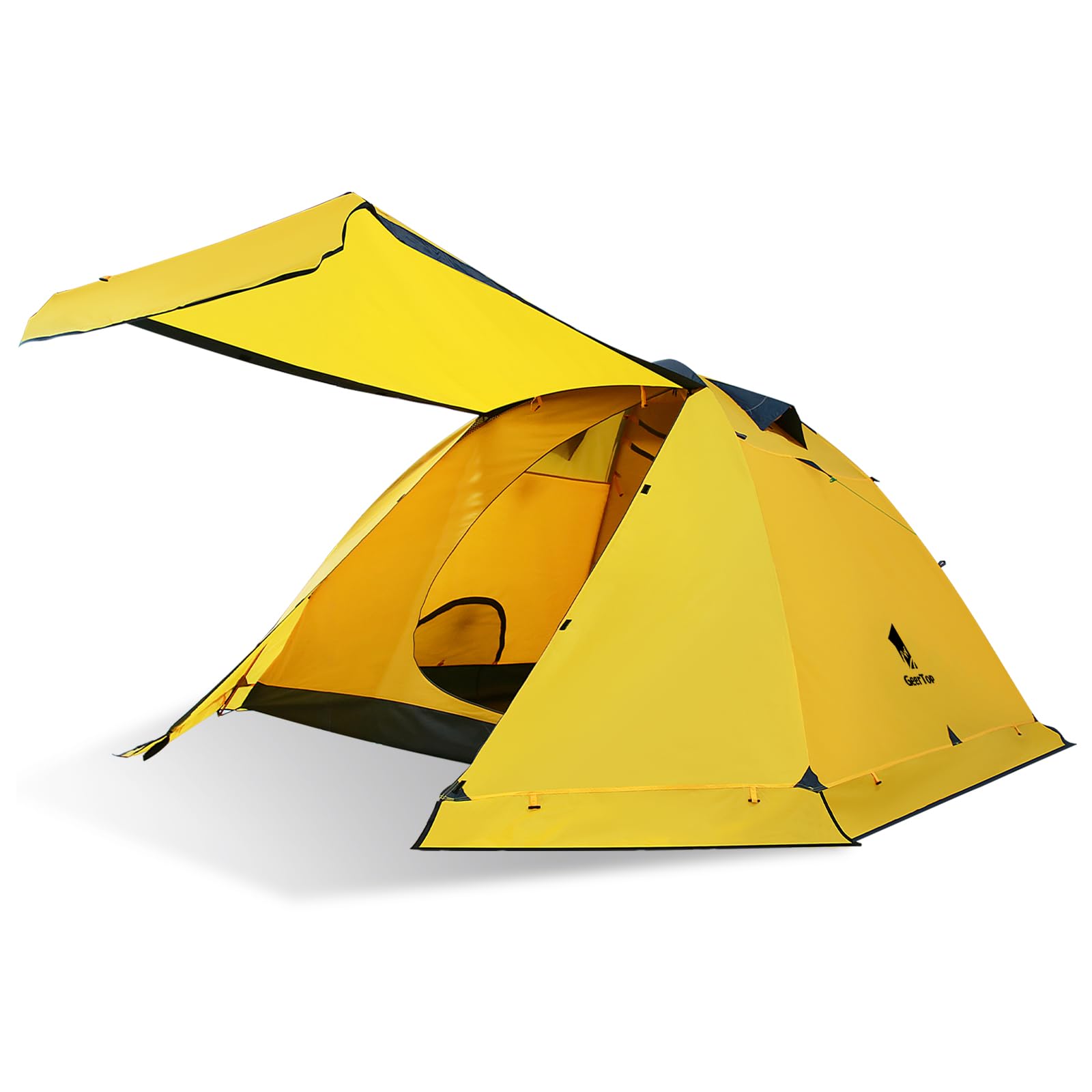
GEERTOP 2-Person 4-Season Tent

92 /100
Angler Score Outstanding

Key details

Floor Size
82.6 x 55 in
Trail Weight
7 lb
Sleeping Capacity
2 person
Waterproof Rating
3000 mm
Check Details on Amazon

After a cold, damp weekend, the GEERTOP was the tent we kept coming back to. The double-wall build kept the sleeping area dry and separated from the condensation on the fly, and the two doors meant nobody had to climb over a tentmate at night. That combination is why it is our best overall four-season tent: it protects like a winter shelter without becoming a backpacking project.

At 6.9 pounds, it is a weekend backpacking tent rather than a fast-and-light shelter. The two-pole dome goes up quickly, and the freestanding frame let us reposition it after we picked a bad patch of ground. The 45-inch peak is enough to sit up and sort gear, though you will not be standing to dress.

The 3,000 mm fly and polyester floor handled wet ground and steady rain, and the fly covers the inner when the weather turns. The 82.6 by 55 inch floor is honest for two sleeping pads; it is not a tent for two people who each want a duffel inside. For one person plus gear, it feels generous.

We also appreciated the details that make a cold trip less fiddly: two doors, a simple pitch, and a stuff sack that does not require a wrestling match. It is not a mountaineering tent, and it is not the shelter we take above tree line in a serious storm. As a winter camping tent that can also be carried a few miles, it is the easiest recommendation here.

Pros

  • Double-wall protection in cold, wet weather
  • Two doors reduce nighttime disruption
  • Fast freestanding pitch
  • Strong value for a four-season tent

Cons

  • One vestibule for two doors
Our verdict

The GEERTOP 2P is the four-season tent we recommend first for most campers: it stays dry in cold, wet weather, sets up fast, and costs far less than the specialist options here.

Check Latest Price
2

Best Ultralight

OneTigris Stella 4-Season Tent

90 /100
Angler Score Outstanding

Key details

Floor Size
6.9 x 4.1 ft
Trail Weight
4.8 lb
Sleeping Capacity
2 person
Waterproof Rating
3000 mm
Check Details on Amazon

The Stella's 4.8-pound trail weight is the number that changes the decision. Among the four-season tents here, it is the one we reach for when the approach is long and the weather is uncertain, because it gives real winter coverage without the carry of a base-camp shelter.

The removable blackout outer is the detail we appreciate most: it adds a layer over the mesh inner and cuts light when you want to sleep past sunrise, and it comes off when the night is milder. The 20D nylon and 3,000 mm coating have a taut, technical feel, and the pole frame goes up fast enough to pitch before a squall.

Ventilation is the part that needs managing. In cold, moving air the mesh inner works well; in a still, warmer night the tent can feel clammy, so we kept a vent open and the door cracked. That is a small habit rather than a design failure, but it is worth knowing before you seal the tent up against a frost.

The floor is 6.9 by 4.1 feet, which is roomy for one and close for two, especially once two pads and two sleeping bags are in place. That is the compromise that buys the low weight, and for a solo traveler or a close couple it makes sense.

Pros

  • 4.8 lb is light for a four-season shelter
  • Removable blackout outer adds flexibility
  • Fast freestanding pitch
  • Solid 3,000 mm weather protection

Cons

  • Tiny vestibule holds boots, not packs
Our verdict

We reach for the Stella when weight matters most: it is the lightest credible four-season shelter here, provided two occupants do not mind sleeping close.

Check Latest Price
3

Best Hot Tent

Naturehike Dune Hot Tent

89 /100
Angler Score Excellent

Key details

Stove Jack
Yes
Trail Weight
16.5 lb
Center Height
70.8 in
Sleeping Capacity
2 person
Check Details on Amazon

The Dune is less a tent than a small cabin you can heat. The stove jack is the reason to choose it, and the 70.8-inch peak and wide floor make a winter base camp feel civilized; we could stand to pull on layers and sit in a chair rather than wriggle inside a sleeping bag.

The 150D oxford floor and 75D polyester fly feel like the right materials for a shelter that will be pitched on snow and packed with cots, chairs, and a stove. The inner is removable, so the same shell works as a summer screen house, and the snow skirt seals the gap at the bottom when the wind picks up.

At 16.5 pounds, it is a car-camping shelter, not a backpacking tent. Pitching takes longer than a two-pole dome, but the sleeve poles and pre-attached guylines are manageable for one person, and the standing height is worth the extra minutes. The 3,000 mm fly and 4,000 mm floor give you a margin for wet snow and slush.

We came away thinking of it as a winter room rather than a tent: the kind of shelter that makes a subfreezing weekend feel less like endurance and more like camping. It is not the right choice for a fast solo push, but for a couple or a small family with a vehicle nearby, it is the most livable option here.

Pros

  • Stove jack extends cold-weather use
  • Stand-up height and roomy floor
  • Removable inner adds summer use
  • Durable oxford floor and snow skirt

Cons

  • Stove and flue sold separately
  • Needs a large, level pitch
Our verdict

For cold-weather base camps, the Dune is the one we choose: the stove jack and near-standing height turn a winter tent into a room you can live in.

Check Latest Price
4

Best Budget

Clostnature 4-Season Backpacking Tent

90 /100
Angler Score Outstanding

Key details

Doors
2
Floor Size
86.6 x 59 in
Trail Weight
5.3 lb
Sleeping Capacity
2 person
Check Details on Amazon

The Clostnature is the budget tent that does not feel like a budget tent. Two doors, a double-wall build, and a 5.3-pound trail weight are the things we usually expect to pay more for, and they make it the value pick for two campers who still want a proper winter shelter.

The 86.6 by 59 inch floor is generous for two pads, and the two doors give each sleeper an exit without crawling over the other. The 45.8-inch peak is enough to sit up and change layers, and the two vestibules keep wet boots out of the sleeping area. That combination is what makes it feel like a tent twice its price.

Rain protection is the part we watched closest. The PU-coated floor and fly shed a steady rain, and the vents at the peak kept condensation from turning into a drip. The double-layer doors add a useful barrier when the wind is cold but the tent still needs air.

It is not the lightest option here, and it is not a mountaineering shelter. What it is, is a sensible two-person winter tent for weekend campers who want the important features without a specialist price. For that buyer, it is the easiest value call in the group.

Pros

  • Two doors and two vestibules
  • Double-wall rain and cold protection
  • 5.3 lb trail weight
  • Budget price for the feature set

Cons

  • Tall sleepers may touch the walls
Our verdict

The Clostnature is our budget pick for two: it keeps the price low without stripping out the two-door, double-wall design that makes a winter tent livable.

Check Latest Price
5

Best for Families

GEERTOP 4-Person 4-Season Tent

84 /100
Angler Score Excellent

Key details

Doors
2
Floor Size
94.4 x 82.6 in
Trail Weight
9.1 lb
Sleeping Capacity
4 person
Check Details on Amazon

The four-person GEERTOP answers a different question from our top pick: how do you give a family winter shelter without moving to a heavy cabin tent? Its 94.4 by 82.6 inch floor and 53-inch peak create a dome big enough for four pads and a central card game, and the two doors keep the traffic moving.

At 9.1 pounds, it is still a car-camping tent for most families, but it packs smaller than a cabin and goes up with two aluminum poles. The 5,000 mm floor and 3,000 mm fly handled wet ground, and the guylines gave it a stable shape in wind. The single vestibule is the weak spot for a group, so plan to keep most gear inside or in the car.

Where it asks for attention is condensation. With the snow skirt down and the vents closed, moisture builds quickly; we kept a vent cracked and the door partly open when the stove was not running. For a family who mostly uses the tent for sleeping and meals, that is a small routine to learn, but it is the difference between a dry weekend and a soggy one.

The four-person layout is the reason to choose it. It gives a small group room to sit up, spread out, and wait out a storm, and it does that at a weight that one adult can carry from the car. It is not a backpacking tent, and it is not the most refined build here, but it is a useful family base camp.

Pros

  • Four-person floor with sit-up height
  • Two doors for family traffic
  • Good rain and wind protection
  • Packs smaller than a cabin tent

Cons

  • Mesh pole guides can tear with rough handling
Our verdict

The four-person GEERTOP is the family tent we point to: it gives a small group room to sit up and spread out, as long as you manage condensation and treat the pole sleeves gently.

Check Latest Price
6

Best Solo Budget

Underwood 1-Person 4-Season Tent

89 /100
Angler Score Excellent

Key details

Floor Size
86.6 x 31.8 in
Trail Weight
4.4 lb
Sleeping Capacity
1 person
Waterproof Rating
5000 mm
Check Details on Amazon

At 31.8 inches wide, the Underwood is unapologetically a one-person tent. That narrow footprint is the point: it fits on a small patch of ground, warms quickly, and keeps the packed size down for solo trips.

The 4.4-pound trail weight is light enough for a short backpack, and the two-pole frame goes up without a struggle. The 5,000 mm floor gives it more wet-ground protection than we expected at this end of the market, and the single door has a decent vestibule for boots and a pack.

The small interior is cozy in cold weather, but it is not a tent for sprawling. A 6-foot sleeper will use every inch of the 86.6-inch length, and the 35.8-inch peak means sitting up is a careful operation. The pole joints can also freeze together in deep cold, so dry them before the temperature drops. If you are under 6 feet and treat it as a sleeping pod rather than a living room, those limits are easy to accept.

What we keep coming back to is the simplicity: one person, one door, one small package, and enough weather protection for a winter night. It is not the tent for a tall, broad sleeper who wants to spread out, but for a solo backpacker on a budget, it earns its place.

Pros

  • 4.4 lb solo trail weight
  • 5,000 mm floor protection
  • Simple two-pole pitch
  • Low price for a winter shelter

Cons

  • One-year warranty limits coverage
Our verdict

For solo winter trips on a tight budget, the Underwood is the tent we hand to a friend: light enough to carry, simple to pitch, and narrow by design.

Check Latest Price
7

Roomy Budget Camping

Forceatt 2-Person 3-4 Season Tent

92 /100
Angler Score Outstanding

Key details

Doors
2
Floor Size
88.6 x 53.1 in
Trail Weight
5.5 lb
Sleeping Capacity
2 person
Check Details on Amazon

Two doors and two vestibules at this end of the market are the reason the Forceatt caught our attention. It gives each camper a way out and a place for a pack, which is more than many budget two-person tents manage.

The 88.6 by 53.1 inch floor is long enough for two adults, and the 43-inch peak leaves room to sit up. At 5.5 pounds it is a reasonable carry for a weekend, and the 3,000 mm fly and welded floor kept the interior dry in steady rain.

For campers who want space and a second exit without paying premium prices, it is a smart buy. The two-vestibule layout is the feature we keep coming back to, and it makes a wet weekend with two people much more manageable.

It is not the lightest or the most refined tent here, but it is one of the roomiest budget shelters, and the second door makes a wet weekend with two people much more manageable.

Pros

  • Two doors and two vestibules
  • Roomy 88.6-inch floor
  • 5.5 lb weekend weight
  • 3,000 mm fly and welded floor

Cons

  • Pole failures can end a trip
Our verdict

The Forceatt is the budget two-person tent we suggest when vestibule space matters more than the lightest carry, provided you pack a pole repair sleeve.

Check Latest Price
8

Fast-And-Light Backpacking

Naturehike 2-Person 4-Season Tent

85 /100
Angler Score Excellent

Key details

Doors
2
Trail Weight
4.1 lb
Sleeping Capacity
2 person
Waterproof Rating
3000 mm
Check Details on Amazon

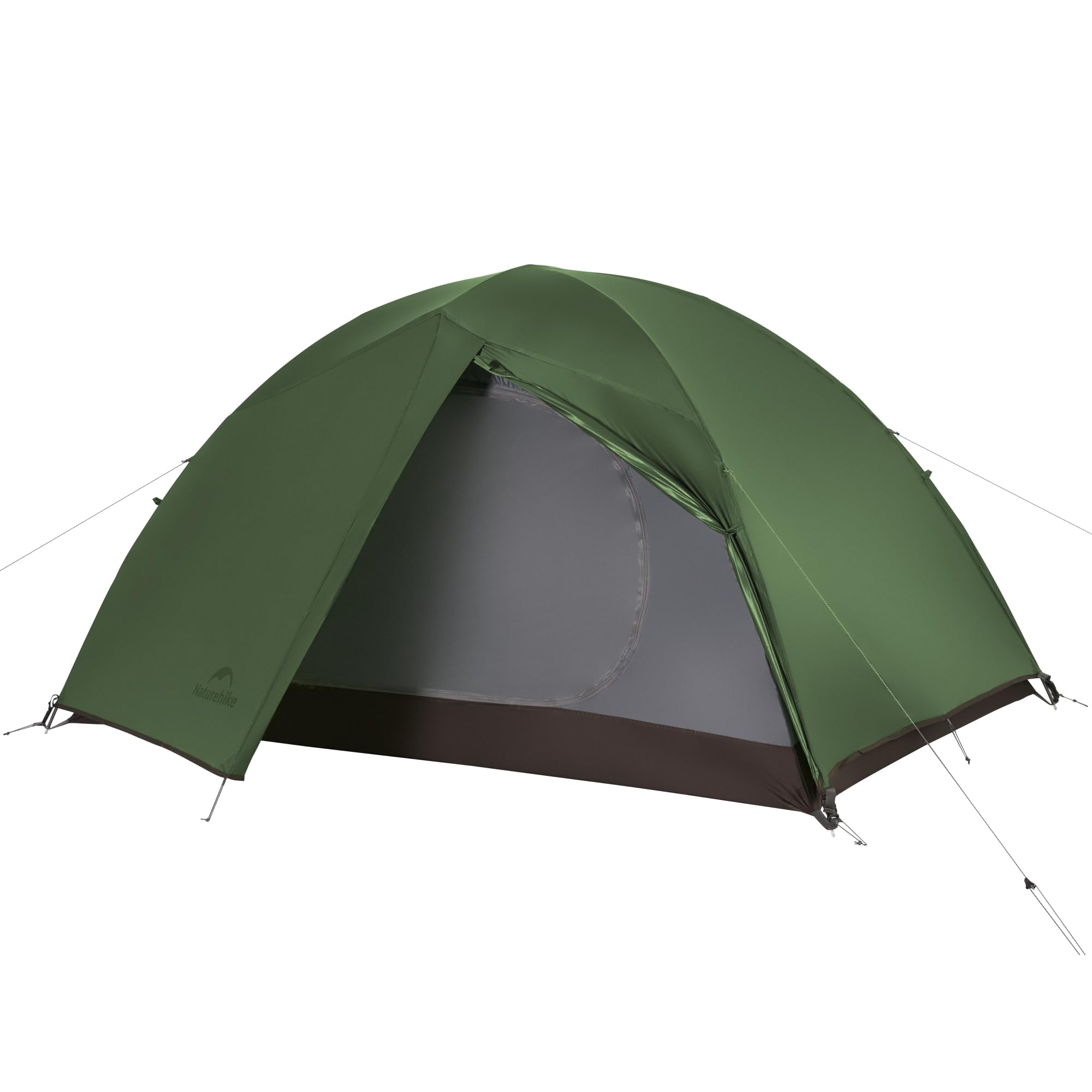
The 4.1-pound trail weight is the headline, but the two doors and two vestibules are what make the Naturehike worth a look for winter backpacking. It is a fast-and-light shelter that does not force two people to share one exit.

The 20D silicone-coated nylon and 3,000 mm coating give it a taut, weather-ready feel, and the included footprint saves you a purchase. The three-pole dome pitches quickly, and the 45.3-inch peak is enough to sit up while you sort layers.

The floor width is given as 88.6 inches, which is much wider than a typical two-person tent and does not match the 41.23-square-foot floor area. Measure the actual footprint before you commit, especially if you are pairing it with two wide pads.

What tips it for us is the combination of low weight and two exits. For a couple who moves fast, it is a better trade than a heavier dome, and the included footprint makes the value story stronger. It is not the tent for a base camp or a tall pair who wants space, but for fast winter backpacking it is compelling.

Pros

  • 4.1 lb trail weight
  • Two doors and two vestibules
  • Included footprint
  • 3,000 mm silicone-coated nylon

Cons

  • Tight for two campers with gear
Our verdict

We see the Naturehike as the fast-and-light alternative to the Stella: it is lighter, has two vestibules, and includes a footprint, though the floor spec needs confirming.

Check Latest Price
9

Dry-Cold Glamping

WaldZimmer Canvas Bell Tent

86 /100
Angler Score Excellent

Key details

Stove Jack
Yes
Tent Weight
52 lb
Center Height
8.2 ft
Sleeping Capacity
5 person
Check Details on Amazon

A canvas bell tent is the wrong choice for a wet, windy ridge, and the WaldZimmer is honest about that: the tent is described as water-resistant rather than fully waterproof and comes with a warning against long rain. We include it because dry, cold glamping is a real four-season use, and few shelters feel this good in it.

The 13-foot floor and 8.2-foot peak give you room to stand, set up cots, and run a stove without feeling packed in. Four windows and a stove jack make it a genuine winter room, and the PVC floor is a practical barrier against snowmelt and mud.

The center pole and guy lines give it a solid, planted feel when it is staked properly. We were impressed by how much warmer it feels than a dome of the same footprint, especially once the stove is running and the door is closed. That warmth is the reason to accept the bulk.

Setup is a two-person job in anything more than a light breeze. The 52-pound bag is not something one person wants to carry far, and the tent needs a large, level pitch with room for guylines. If you can drive to the pitch and have a second person, those are fair trade-offs for the space.

Our take is that it earns its place for dry-cold glamping, where the space and stove matter more than stormproofing. Set the door away from the prevailing wind, keep the flue clear, and choose a dome or the Dune when the forecast turns wet.

Pros

  • Stove jack and standing height
  • Roomy 13-foot floor
  • PVC floor handles snowmelt
  • Stable center-pole design

Cons

  • Stove and flue sold separately
  • No stated warranty
Our verdict

The WaldZimmer is the bell tent we choose for dry, cold glamping, where the stove jack and standing room matter more than stormproof fabric.

Check Latest Price

How We Tested These Four-Season Tents

We started with about 60 four-season tents and filtered hard: full-coverage fly, aluminum rather than fiberglass poles, a floor with a real denier rating, taped seams, and a waterproof rating high enough to mean something in wet snow. That cut the field to 12, from solo backpacking shelters to a canvas bell tent, across a range of prices — we wanted to know whether spending more bought a better night or just a better logo.

Testing ran nine months, from the first cold snap in late September through a slushy Memorial Day. The tents saw overnight snow at altitude, a two-night rain soak, a windy high-desert week, and a lot of ordinary car-camping weekends, because most four-season tents spend more nights in a campground than on an alpine ledge. Every tent got at least three nights out plus a backyard stake-out, and I pitched each one alone, in the dark, in gloves, timing from stuff sack to fully standing.

Water resistance got the harshest look. I ran a hose over each fly and floor for five minutes with dry paper towels inside, then repeated it along the seams and zipper flaps, since that's where leakage actually starts. Ventilation was judged by morning: where condensation collected, whether the walls dripped or just felt damp, and how much mesh you could open without losing warmth. Size was measured with pads inflated rather than trusting the label; weight went on a kitchen scale against the claimed figure; packed size was checked against a 40-liter pack. Durability meant flexing poles in gusts, running every zipper a few dozen times, and inspecting seams after each trip. Value came last — what the tent gave you for the money, not what the price tag promised.

How to Choose a Four-Season Tent

Start With How You Will Carry It

Four-season tents range from sub-five-pound backpacking shelters to 16-pound hot tents and 50-pound bell tents, so weight is the first fork in the decision. A 4-to-5-pound two-person tent is a realistic backpacking shelter; a 7-pound model is better for short walks and weekend base camps; anything in the mid-teens or above belongs on a sled or in a car. The OneTigris Stella and Naturehike 2P are the light end of this group, while the Naturehike Dune is a base camp you happen to carry a short distance.

Pick the shelter you can move comfortably, not the one with the longest feature list. If you will walk more than a few miles, every pound matters; if you will park beside the tent, space and a stove jack matter more.

Look for a Winter System, Not a Single Rating

Four-season is a marketing label, not a standard. What matters is the combination: a solid inner or double wall, a full-coverage fly, a high bathtub floor, taped seams, a snow skirt, and enough guylines to hold the frame in wind. A 3,000 mm coating is useful, but it does not rescue poor seams or a fly that leaves mesh exposed. The Clostnature and GEERTOP domes show the pattern: two layers, two doors, and a floor that stands up to wet ground.

Check the floor material and the pole diameter, too. A thin floor and skinny poles are where budget tents usually save money, and those are the parts that meet rock, roots, and snow load.

Plan for Condensation

Cold air holds little moisture, and a sealed tent turns your breath and damp gear into interior rain. The fix is airflow you can control: two doors, high vents, a double wall, and the discipline to leave a vent open even when it is cold. A tent that is too airtight is not warmer; it is just wetter. This is where we pay attention to the pattern of vents and whether the inner can be opened up, not just the waterproof number.

An all-season tent with a removable inner, like the Dune, gives you more flexibility than a sealed single-wall shelter. For backpacking, a double-wall dome with two doors is the safer default.

Decide Whether a Stove Jack Belongs in Your Plan

A stove jack is a real advantage for a winter base camp: it lets you heat the shelter, dry gear, and cook with the right stove and chimney. It also adds weight, cost, and a set of safety rules. You need a proper stove jack, the stove maker's clearance, a clear flue, and ventilation; a stove in an unvented tent is a carbon monoxide risk, not a comfort upgrade. The Dune and WaldZimmer are built for this style of camping; the backpacking domes here are not.

Measure the Sleep Space, Not the Label

A two-person tent often means two sleeping pads, not two people plus two packs. Check the floor width against your pads: two 25-inch pads need 50 inches, and a 55-inch floor leaves little margin. Check the vestibule, too; a single small vestibule is fine for boots but not for two packs. The Underwood's 31.8-inch width is a solo space by design, while the GEERTOP 4P gives a family room to sit up. Set up the tent once with your actual gear before the trip.

Frequently Asked Questions

Final Verdict

Start with the GEERTOP 2P if you want one four-season tent for cold-weather weekends. It offers the best balance of weather protection, usable space, and simplicity in this group, and it is the easiest one to recommend for a broad range of winter trips.

If you backpack long distances, the Stella's lower weight is worth the tighter fit. If your winter camp is a base camp with a stove, the Naturehike Dune is the better shelter. The rest of the list covers narrower needs: a solo budget pitch, a family dome, or dry-cold glamping.